Teaching a second language to children can be both challenging and rewarding. One of the most effective and enjoyable methods to enhance language retention and engagement is through music and songs. Incorporating music into language learning not only makes the process fun but also leverages the cognitive and emotional benefits of music to facilitate better learning outcomes.
1. Boosting Memory: Music has an extraordinary ability to enhance memory. The repetitive nature of songs, combined with catchy rhythms and melodies, helps embed new vocabulary and grammar structures in a child’s mind. Songs create a memorable context for new words, making recall easier and more intuitive.
2. Perfecting Pronunciation: Singing in a second language can significantly improve pronunciation and intonation. Children who listen to and sing along with songs can mimic the natural rhythm and accent of native speakers, leading to more accurate and confident speech.
3. Expanding Vocabulary: Songs are a treasure trove of vocabulary and idiomatic expressions. They introduce new words in a fun and meaningful way. By singing along, children can practice and internalize new vocabulary, making it a natural part of their language use.
Cultural Beats: Understanding Through Music
4. Connecting with Culture: Music is a gateway to understanding cultural nuances. Learning songs from different cultures provides children with insights into the traditions, values, and customs of the people who speak the language. This cultural appreciation enriches their learning experience and fosters a deeper connection to the language.
5. Emotional Engagement: Music is inherently emotional, making the learning process more engaging and memorable. Children are more likely to connect with and remember content that resonates emotionally. Songs can create positive associations with language learning, encouraging a lifelong love for the language.
Practical Tips for Musical Language Learning
1. Select Suitable Songs: Choose songs that match the child’s age and language proficiency. Simple, repetitive tunes are perfect for younger learners, while older children might enjoy more complex songs that challenge their skills.
2. Combine Music with Movement: Pairing songs with actions or dance moves can enhance comprehension and retention. Physical movement reinforces the meaning of the lyrics and makes learning more dynamic and fun.
3. Diversify Musical Exposure: Expose children to a variety of musical genres and styles. This not only keeps learning interesting but also introduces them to different cultural aspects of the language.
4. Encourage Participation: Get children actively involved by singing along. Active participation helps solidify understanding and improves pronunciation and fluency.
5. Establish a Musical Routine: Incorporate music into daily learning routines. Consistent exposure to songs reinforces vocabulary and grammar over time. Start lessons with a song or use music to transition between activities.
6. Utilize Technological Tools: Leverage apps and online platforms that offer music in the target language. Many educational tools are designed to make language learning through music fun and accessible.
Musical Adventures in Books
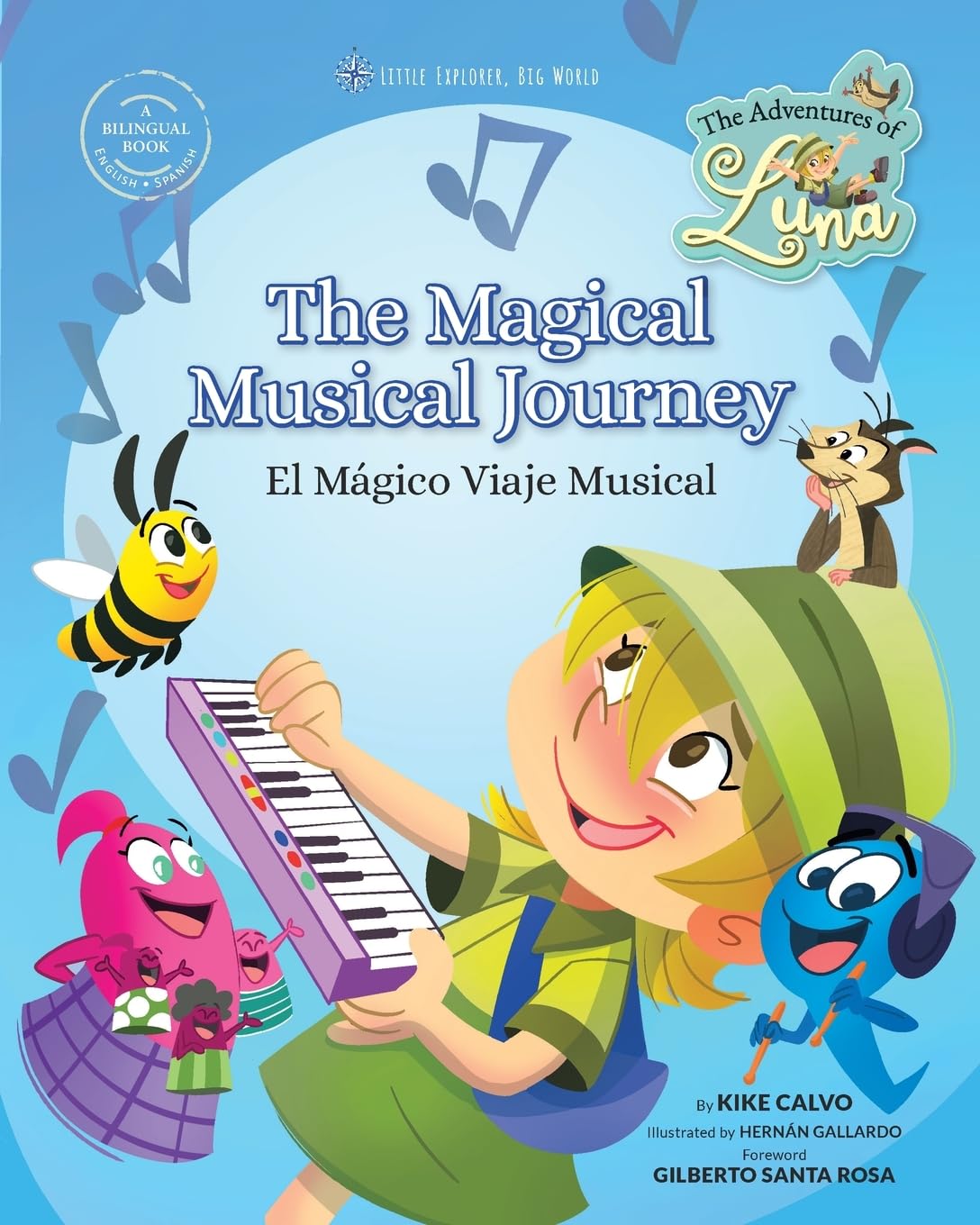
Stories that incorporate musical adventures can be another exciting way to teach children about language and culture. Books like “The Magical Music Adventure” from The Adventures of Luna series captivate young readers’ imaginations while introducing them to new languages through the power of music. These stories combine the joy of reading with the rhythm of music, making language learning an adventure.
Conclusion
Integrating music and songs into language instruction is a powerful and enjoyable strategy. It combines cognitive, emotional, and cultural benefits, making language learning more effective and engaging. Whether you’re a teacher or a parent, using music in your language teaching approach can transform the learning experience and help children sing their way to fluency.
So, let the music play, and watch your child’s language skills soar!